
How Seasonal Changes Affect Your Body’s Nutrient Demands
A Natural Immunotherapy Perspective on Staying Balanced Year-Round
Introduction
As seasons change, so does your body.
From the warmth of summer to the chill of winter, your internal systems continuously adapt to environmental shifts. These changes influence metabolism, immune function, hydration levels, and even how nutrients are absorbed and utilized.

Yet, most people continue with the same diet year-round—without realizing that their body’s nutrient requirements are not constant.
From a Natural Immunotherapy perspective, the goal is not to overload the body with supplements, but to support its natural adaptability through balanced nutrition.
Why Seasonal Changes Matter for Your Body
Your body is highly responsive to external conditions like:
- Temperature
- Sunlight exposure
- Humidity levels
- Physical activity patterns
- Dietary availability
Each of these factors influences how your body uses nutrients.
For example:
- In colder months, your body may prioritize energy production and immune defense
- In warmer months, the focus shifts toward hydration and electrolyte balance
This natural adaptation means your nutrient needs are dynamic—not fixed.
❄️ Winter: Supporting Immunity and Energy
During winter, reduced sunlight and colder temperatures can impact your body in several ways:

Key Nutritional Challenges:
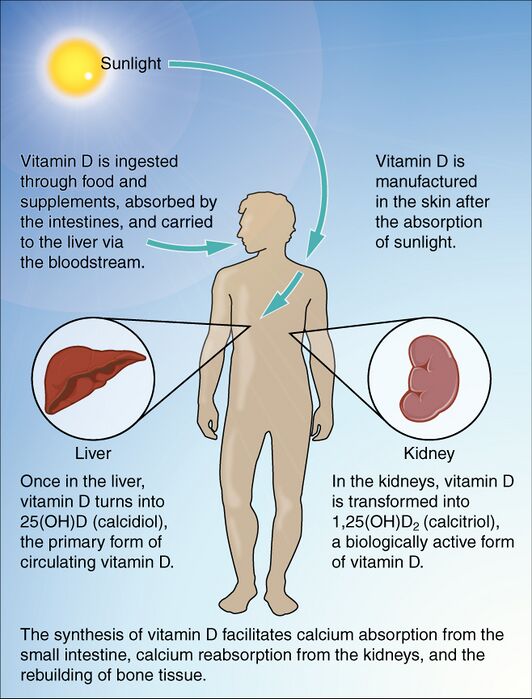
- Lower Vitamin D synthesis due to less sunlight
- Increased susceptibility to seasonal illnesses
- Reduced physical activity
Nutrients Your Body May Need More Of:
- Vitamin D → Supports immune regulation
- Vitamin C → Helps maintain cellular protection
- Zinc & Selenium → Important for immune coordination
- B-complex vitamins → Support energy metabolism
Natural Immunotherapy Insight:
Instead of aggressive immune stimulation, winter nutrition should focus on consistent, balanced micronutrient support that helps your body maintain resilience.
☀️ Summer: Hydration and Electrolyte Balance
Summer brings heat, increased sweating, and higher energy expenditure.

Key Nutritional Challenges:
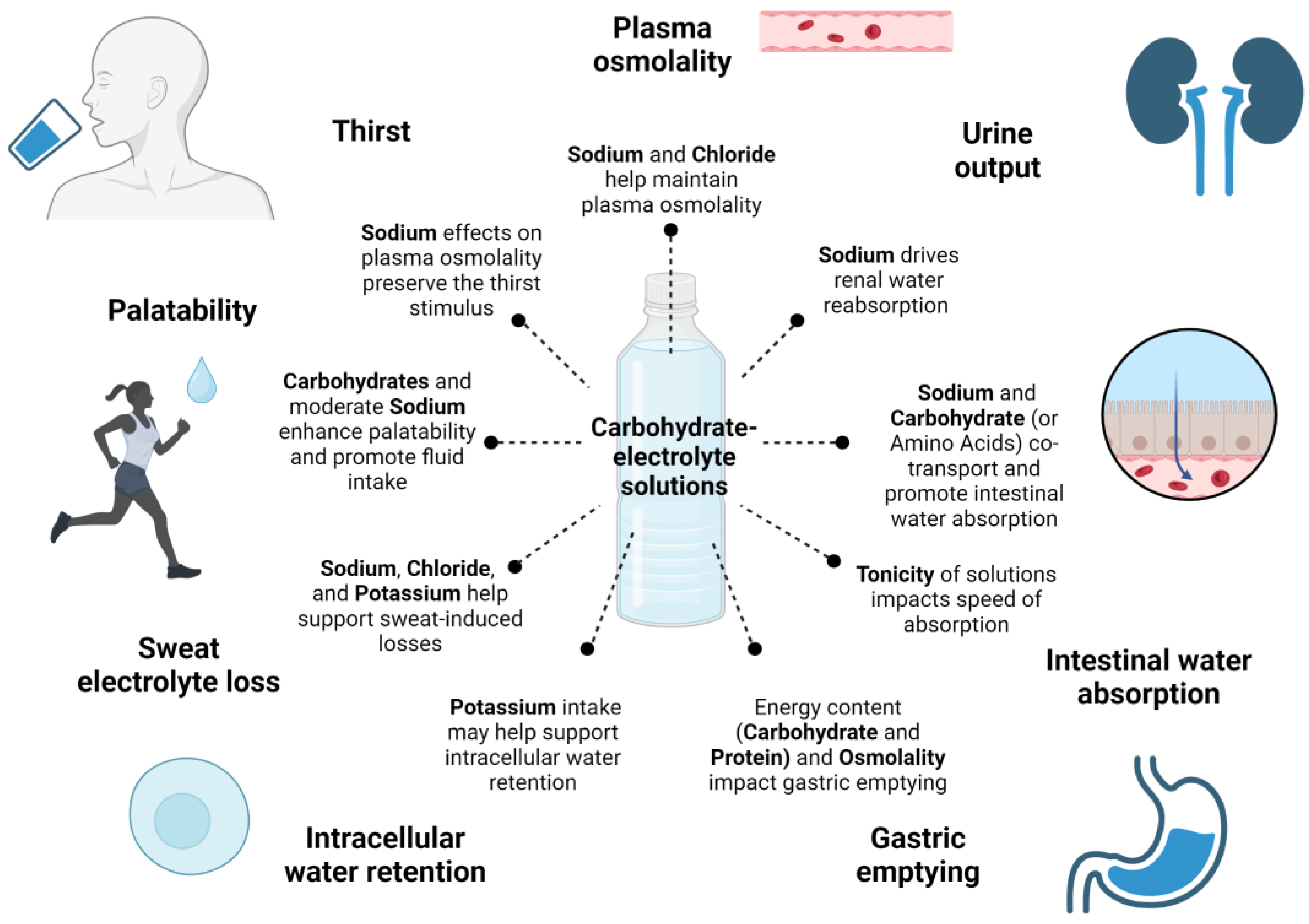
- Dehydration
- Loss of electrolytes
- Increased oxidative stress from sun exposure
Nutrients Your Body May Need More Of:
- Electrolytes (Sodium, Potassium, Magnesium) → Maintain fluid balance
- Vitamin C & E → Help manage oxidative stress
- Water-rich nutrients → Support hydration
Natural Immunotherapy Insight:
The focus shifts from immune defense to maintaining internal balance and hydration, allowing the body to function efficiently under heat stress.
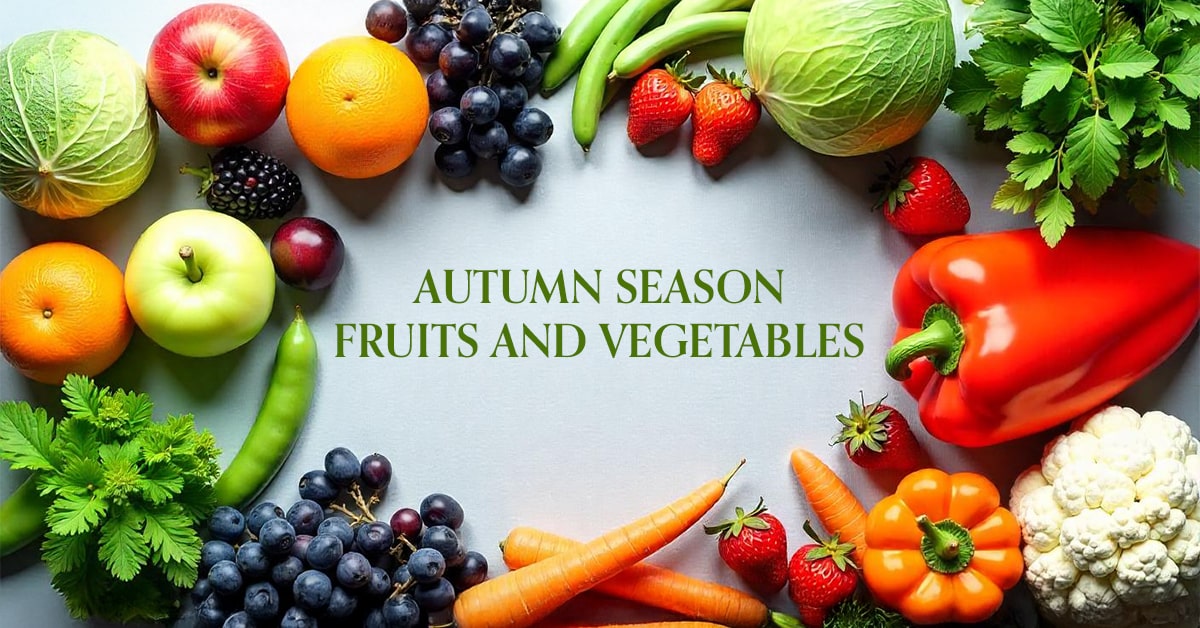
🌸 Spring & 🍂 Autumn: Transition Phases
These transitional seasons are often overlooked—but they are crucial.
What Happens in These Phases:
- The body adjusts between extreme temperatures
- Metabolic processes recalibrate
- Immune system rebalances
Nutritional Focus:
- Balanced micronutrients to support adaptation
- Antioxidants for cellular protection
- Minerals to support metabolic transitions
Natural Immunotherapy Insight:
These are the best times to restore balance, not overload the system. Gentle nutritional support helps the body transition smoothly.
The Science Behind Seasonal Nutrient Demand
Your body operates through interconnected systems where nutrients work together—not in isolation.
For example:
- Vitamin D works alongside magnesium and calcium
- Zinc interacts with other trace elements for immune signaling
- Antioxidants function as networks rather than single compounds
This concept is known as nutrient synergy, which becomes even more important during seasonal changes.
Why This Matters:
- Isolated nutrients may not be fully effective
- Balanced formulations improve utilization
- The body responds better to physiological harmony
Natural Immunotherapy: A Smarter Approach
Natural Immunotherapy emphasizes:

✔ Supporting the body—not forcing it
✔ Maintaining balance—not extremes
✔ Providing consistent nutrition—not temporary fixes
Instead of reacting to seasonal problems, this approach focuses on preparing the body in advance.
Key Principles:
- Maintain year-round micronutrient balance
- Adjust diet based on seasonal needs
- Focus on bioavailable, well-balanced nutrients
- Support metabolism, immunity, and cellular health together
Practical Tips to Align with Seasonal Needs
Here are simple ways to adapt your nutrition:
1. Eat Seasonal Foods
Nature provides what your body needs each season:
- Winter → warming, nutrient-dense foods
- Summer → hydrating fruits and vegetables
2. Stay Consistently Nourished
Avoid sudden spikes or deficiencies. Consistency matters more than intensity.
3. Focus on Micronutrient Balance
Instead of taking high doses of single nutrients, aim for balanced intake.
4. Support Hydration Year-Round
Even in winter, hydration is essential for metabolic function.
5. Listen to Your Body
Fatigue, low immunity, or poor sleep may signal changing nutritional needs.
Final Thoughts
Seasonal changes are not a problem—they are a natural rhythm.
Your body is designed to adapt, but it requires the right nutritional support to do so efficiently.
By aligning your diet with seasonal demands and following the principles of Natural Immunotherapy, you can:
- Maintain consistent energy
- Support immune balance
- Improve overall resilience
The goal is simple:
Work with your body, not against it.
FAQs
What is Natural Immunotherapy in simple terms?
Natural Immunotherapy is an approach that focuses on supporting the body’s immune system through balanced nutrition and lifestyle habits, rather than overstimulating it with aggressive interventions.
How is Natural Immunotherapy different from regular supplements?
It differs from regular supplementation by emphasizing nutrient balance, bioavailability, and synergy instead of relying on high doses of isolated nutrients.
Why is year-round micronutrient balance important?
Maintaining year-round micronutrient balance is important because the body’s needs change with seasons, and consistent nutritional support helps ensure stable metabolism and immune function.
Why is year-round micronutrient balance important?
Maintaining year-round micronutrient balance is important because the body’s needs change with seasons, and consistent nutritional support helps ensure stable metabolism and immune function.
Can diet alone support Natural Immunotherapy?
While a balanced diet plays a key role, modern dietary gaps may require well-formulated supplements to maintain consistent nutrient intake.
How does Natural Immunotherapy help during seasonal changes?
Natural Immunotherapy helps the body adapt to seasonal changes by supporting immune resilience, maintaining energy levels, and promoting overall physiological balance.