
Understanding Nutrient Interactions Inside the Human Body
A Natural Immunotherapy Perspective on How Nutrients Work Together
Modern health science often talks about individual nutrients — iron, vitamin C, magnesium, zinc, and others. Many people assume that taking a single nutrient will automatically correct a deficiency or improve health.
However, the human body does not function through isolated nutrients.

Inside the body, vitamins, minerals, enzymes, and biochemical molecules operate as interconnected systems. Each nutrient influences others, creating a complex network of metabolic reactions that support immunity, energy production, detoxification, and tissue repair.
Understanding these nutrient interactions is essential for maintaining long-term health.
From the viewpoint of Natural Immunotherapy, the body is an intelligent biological system that functions optimally only when nutritional balance is maintained.
Why Nutrients Do Not Work Alone
Inside every cell, thousands of chemical reactions occur every second. These reactions depend on multiple nutrients working together simultaneously.
For example:
• Vitamin C helps improve iron absorption
• Magnesium activates hundreds of metabolic enzymes
• Zinc contributes to immune signaling pathways
• Vitamin B complex supports energy metabolism

If one nutrient is missing, the entire biochemical pathway may slow down or stop.
This is why people sometimes take supplements yet still experience fatigue, weakness, or poor immunity. The body may not be receiving the complete nutritional network required for optimal cellular function.
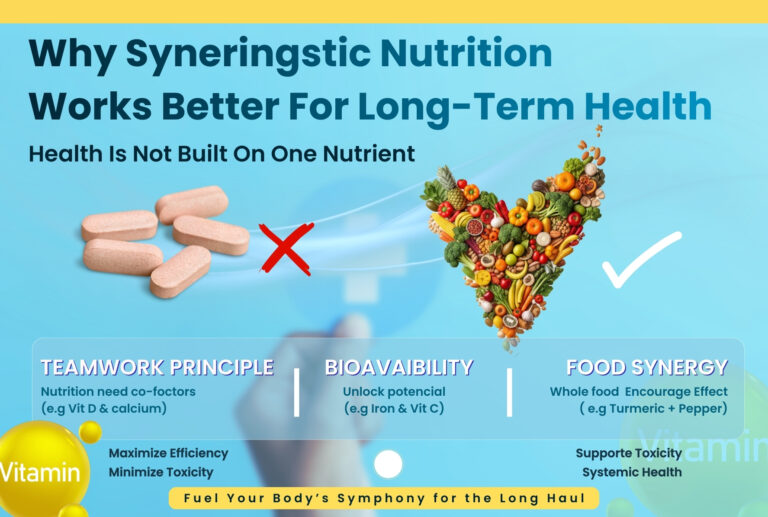
Health is therefore not determined by one nutrient alone but by the harmony between many nutrients.
The Concept of Nutrient Synergy
Scientists describe nutrient cooperation as nutrient synergy.
Nutrient synergy occurs when multiple nutrients interact to produce stronger biological effects than they would individually.
For instance:
Iron and Vitamin C
Iron plays a role in hemoglobin formation, but without vitamin C, its absorption in the digestive system becomes inefficient.
Magnesium and Vitamin D
Magnesium helps activate vitamin D within the body. Without magnesium, vitamin D cannot perform its metabolic functions effectively.
Zinc and Immune Signaling
Zinc participates in immune cell communication, supporting the body’s ability to identify and respond to abnormal cells.
These examples illustrate that nutrients form cooperative biochemical networks.
Nutrient Interactions in Energy Production
Energy production inside the body occurs primarily in cellular structures called mitochondria.
This process depends heavily on coordinated nutrient interactions.
Several nutrients play key roles:
• Vitamin B1 supports carbohydrate metabolism
• Vitamin B2 assists in electron transport reactions
• Vitamin B3 participates in cellular energy transfer
• Magnesium stabilizes energy molecules like ATP

If one part of this network becomes weak, energy production declines.
This can lead to symptoms such as:
• fatigue
• brain fog
• muscle weakness
• poor concentration
Balanced nutrition therefore plays a central role in maintaining metabolic energy.
The Role of Nutrient Networks in Immune Stability
The immune system is one of the most complex biological systems in the human body.
It requires constant communication between immune cells, signaling molecules, and metabolic pathways.
Micronutrients contribute significantly to this coordination.
Important immune-supporting nutrients include:
• Zinc for immune cell signaling
• Vitamin C for antioxidant protection
• Vitamin A for tissue barrier integrity
• Selenium for cellular defense mechanisms
When these nutrients function together, the immune system can respond appropriately to internal challenges.
If nutritional balance is disturbed, immune responses may become either weak or excessively inflammatory.
Maintaining nutrient harmony therefore supports immune stability.
Liver Detoxification and Nutrient Interactions
The liver acts as the body’s primary detoxification organ.
Every day, it processes:
• environmental toxins
• metabolic waste
• excess hormones
• chemical byproducts from digestion

Detoxification occurs through multi-stage enzymatic reactions, which depend on a wide range of micronutrients.
These include:
• B-complex vitamins
• magnesium
• zinc
• antioxidants
If the body lacks these nutrients, detoxification processes may slow down.
This can contribute to metabolic stress and systemic inflammation.
Supporting liver function therefore requires a balanced intake of multiple nutrients rather than isolated compounds.
The Natural Immunotherapy View
Natural Immunotherapy approaches health from a systems biology perspective.
Instead of focusing only on disease symptoms, it looks at the internal biological environment that allows health or disease to develop.
According to this perspective:
• The human body contains complex nutrient-dependent biochemical networks
• Cellular stability depends on balanced micronutrient availability
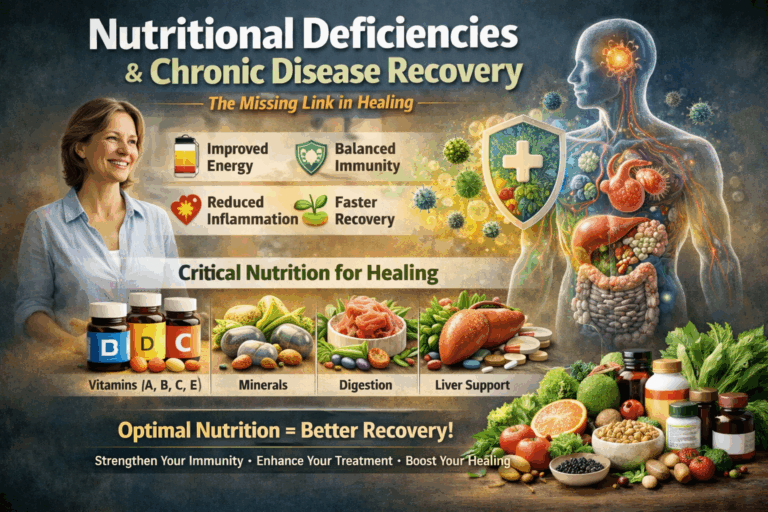
• Immune coordination improves when nutritional deficiencies are corrected

When the body receives appropriate nutrients in proper proportions, cellular processes begin to stabilize.
This supports:
• immune coordination
• tissue repair
• metabolic balance
• detoxification pathways
Rather than forcing the body through aggressive interventions, Natural Immunotherapy aims to support the body’s own healing intelligence.
Why Nutritional Balance Matters More Than Individual Nutrients
Many modern dietary habits focus heavily on taste rather than nutritional diversity.
Processed foods often lack important micronutrients, which can lead to hidden deficiencies.
When multiple nutrient deficiencies develop simultaneously, several biological systems may be affected, including:
• bone marrow function
• liver metabolism
• immune coordination
• cellular energy production
Restoring balance requires addressing the entire nutritional ecosystem of the body, not just single nutrients.
This is why comprehensive nutritional strategies are increasingly emphasized in preventive healthcare.
Practical Ways to Support Nutrient Balance
Maintaining nutrient harmony does not require complicated methods. Several simple lifestyle practices can help support the body’s nutritional networks.
Eat Diverse Natural Foods
A varied diet containing fruits, vegetables, whole grains, and natural foods helps provide a broad range of micronutrients.
Stay Properly Hydrated
Adequate water intake supports metabolic reactions and detoxification processes.
Maintain Consistent Meal Timing
Regular eating patterns help stabilize metabolic activity.
Support Digestive Health
Healthy digestion ensures that nutrients are properly absorbed and utilized.
Encourage Physical Activity
Physical movement increases metabolic demand and encourages the body to use stored nutrients efficiently.
Small lifestyle improvements can significantly influence overall metabolic balance.
The Future of Health: Understanding Nutrient Systems
Healthcare research is increasingly recognizing that many chronic diseases are linked to metabolic imbalance and micronutrient deficiencies.
Instead of viewing nutrients in isolation, modern nutritional science is moving toward a network-based understanding of human biology.

This approach emphasizes:
• nutrient synergy
• metabolic stability
• immune system coordination
• long-term prevention strategies
Understanding nutrient interactions allows individuals to support their bodies in a more intelligent and sustainable way.
Conclusion
The human body is an extraordinary biological system where thousands of biochemical reactions occur every moment. These reactions depend on carefully coordinated nutrient interactions.
Health is not determined by one vitamin or mineral alone but by the balance between many nutrients working together.
By supporting nutrient harmony through balanced nutrition and thoughtful health strategies, individuals can help maintain metabolic stability, immune coordination, and long-term well-being.
This principle forms a key foundation of Natural Immunotherapy, which focuses on strengthening the body’s natural biological intelligence through proper nutritional support.
FAQs
What is Natural Immunotherapy?
Natural Immunotherapy is a health approach that focuses on supporting the body’s natural healing mechanisms by improving nutritional balance, strengthening immune coordination, and stabilizing metabolic functions rather than only suppressing disease symptoms.
How does Natural Immunotherapy support the immune system?
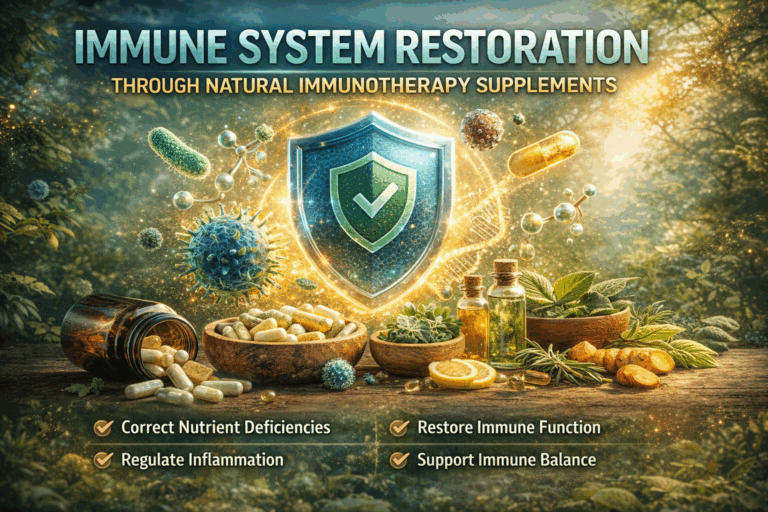
Natural Immunotherapy supports the immune system by correcting micronutrient deficiencies, improving liver detoxification pathways, and enhancing cellular communication so immune cells can function in a balanced and coordinated way.
Why are micronutrients important for cellular health?
Micronutrients such as vitamins, minerals, and antioxidants act as cofactors for thousands of biochemical reactions. They help maintain cellular stability, energy production, immune signaling, and tissue repair throughout the body.
Can nutritional balance influence metabolic health?
Yes. Balanced nutrition helps stabilize metabolic pathways, allowing cells to produce energy efficiently, regulate inflammation, and maintain proper communication between organs and biological systems.
How does Natural Immunotherapy differ from conventional approaches?
Conventional approaches often focus on managing symptoms or targeting disease directly. Natural Immunotherapy instead focuses on improving the body’s internal biological environment so that natural healing processes can function more effectively.