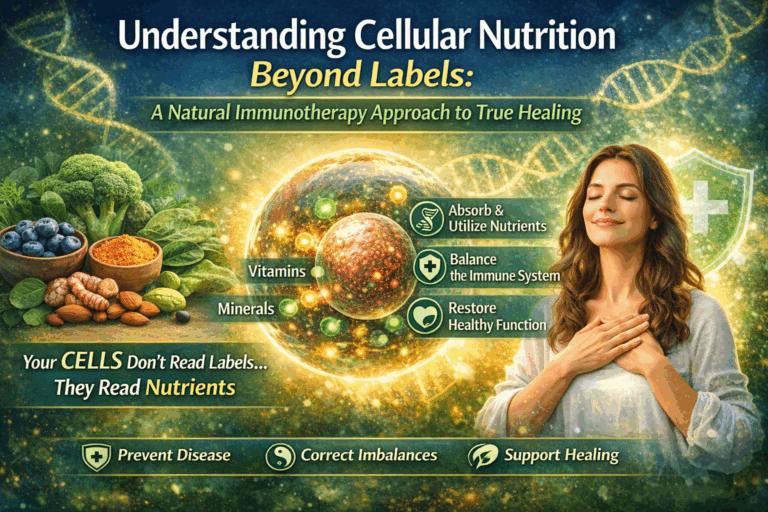

The Hidden Importance of Micronutrients in Modern Diets
A Natural Immunotherapy Perspective on Everyday Nutrition
Modern nutrition discussions often focus on calories, proteins, carbohydrates, and fats. While these macronutrients are essential for energy and body structure, there is another group of nutrients that quietly supports almost every biological process in the human body — micronutrients.

Micronutrients include vitamins, minerals, and trace elements required in small amounts but responsible for thousands of metabolic reactions. Despite their importance, they are often overlooked in modern dietary habits.
From the perspective of Natural Immunotherapy, micronutrients form the foundation of internal biological balance. When the body receives a steady supply of these essential compounds in the right proportions, cellular systems function more efficiently, supporting long-term wellness and resilience.
Understanding Micronutrients
Micronutrients are nutrients that the body needs in small quantities but with enormous physiological impact. Unlike macronutrients, which provide energy, micronutrients mainly support biochemical processes that keep the body functioning properly.
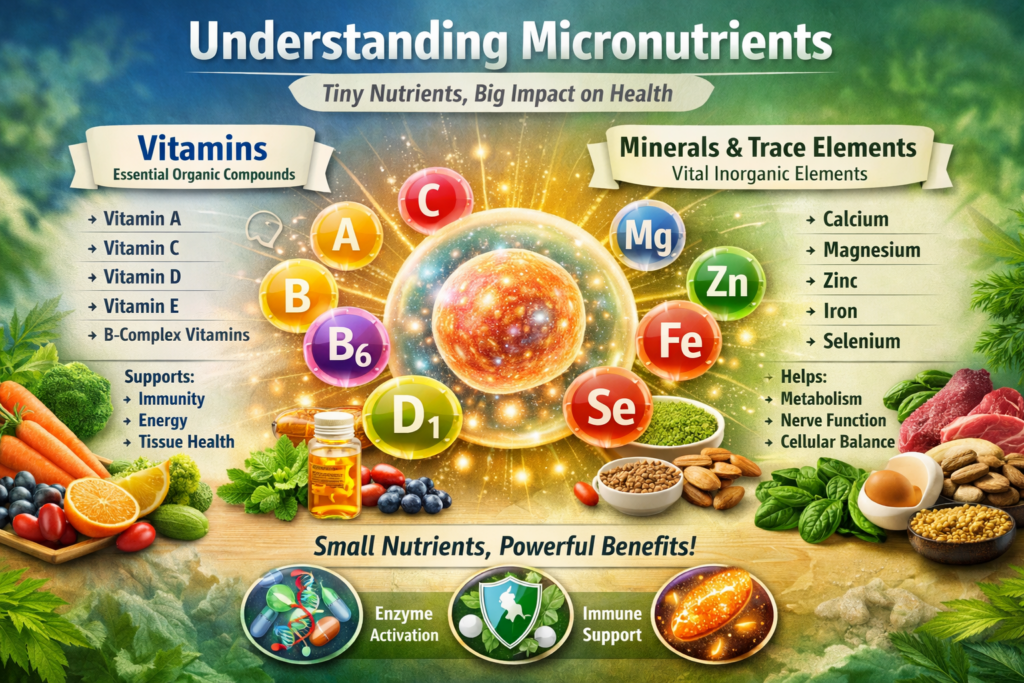
They generally fall into two main categories:
1. Vitamins
Vitamins are organic compounds that regulate metabolic reactions and support cellular activity.
Common examples include:
- Vitamin A
- Vitamin C
- Vitamin D
- Vitamin E
- B-complex vitamins
These nutrients support processes such as immune coordination, energy metabolism, and tissue maintenance.
2. Minerals and Trace Elements
Minerals are inorganic elements that help regulate structural and biochemical processes in the body.
Examples include:
- Calcium
- Magnesium
- Zinc
- Iron
- Selenium
Even though the body requires them in small quantities, these elements play critical roles in enzyme activation, nerve signaling, and metabolic stability.
Why Modern Diets Often Lack Micronutrients
Despite increased food availability in many parts of the world, micronutrient deficiencies remain common. Modern dietary patterns often emphasize processed foods, refined carbohydrates, and convenience meals, which may provide energy but lack sufficient micronutrient density.
Several factors contribute to this imbalance:
Highly Processed Foods
Food processing can remove or reduce the natural vitamin and mineral content found in whole foods.
Reduced Dietary Diversity
Many modern diets rely on a limited range of food items, reducing the variety of nutrients available.
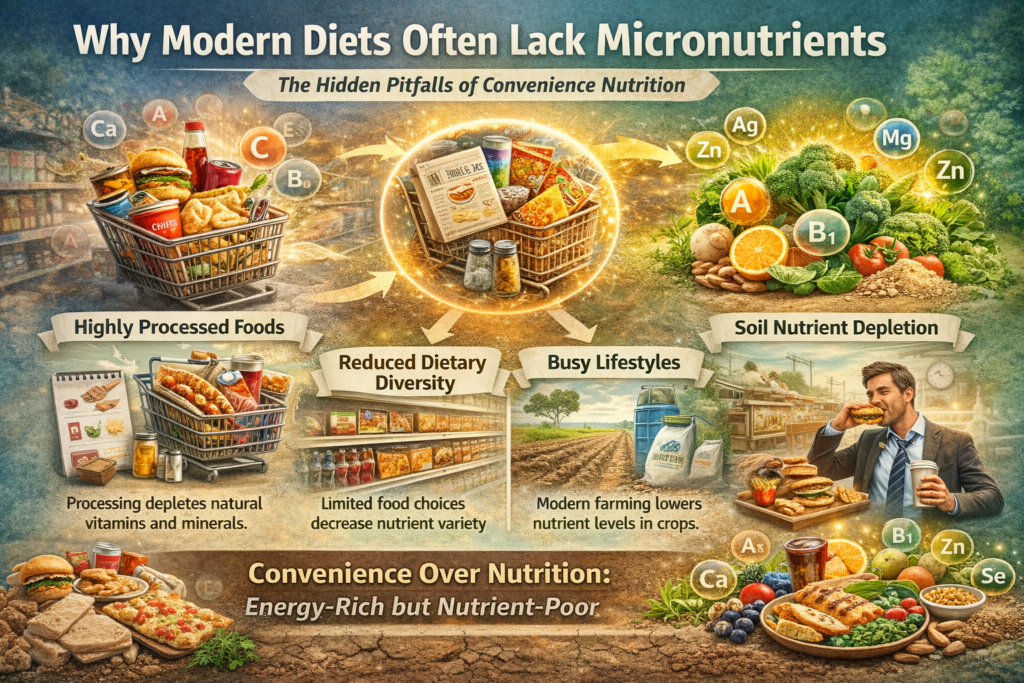
Soil Nutrient Depletion
Agricultural practices may influence the mineral content of crops, potentially affecting nutrient levels in foods.
Busy Lifestyles
Convenience foods often replace freshly prepared meals, leading to lower nutrient intake.
As a result, people may consume enough calories but still lack critical micronutrient support.
The Role of Micronutrients in Cellular Health
Every cell in the body relies on micronutrients to carry out its functions. These nutrients support a wide range of biological processes, including:
Energy Production
Micronutrients assist enzymes that convert nutrients into usable cellular energy.
Immune Coordination
Vitamins and trace elements help regulate immune signaling and defense mechanisms.
Tissue Repair
Cellular repair and regeneration processes depend on various micronutrient cofactors.
Hormonal Balance
Certain nutrients influence hormone synthesis and regulatory pathways.
Detoxification
The body’s detoxification systems rely on enzyme reactions supported by specific minerals and vitamins.
Without adequate micronutrients, these biochemical processes may become less efficient, potentially affecting overall physiological stability.
Nutrient Synergy: The Key to Efficient Metabolism
One of the most important principles in modern nutritional science is nutrient synergy.
Biological systems rarely rely on a single nutrient acting alone. Instead, they depend on networks of interacting nutrients working together.
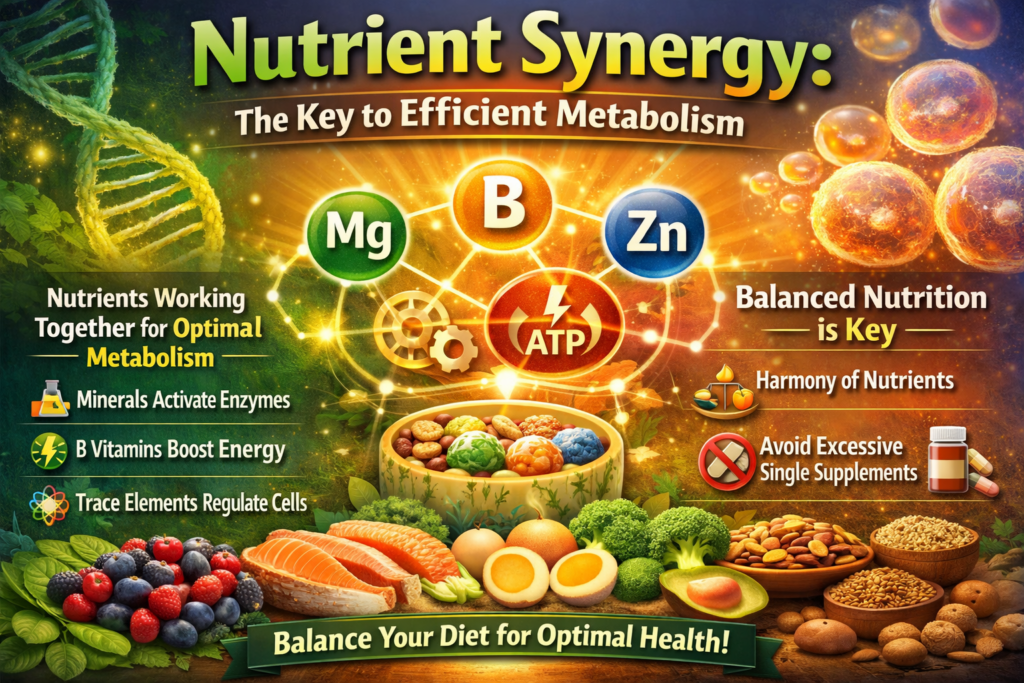
For example:
- Certain minerals activate metabolic enzymes
- B-group nutrients assist energy pathways
- Trace elements regulate cellular signaling
When nutrients are available in balanced proportions, metabolic reactions can occur more smoothly.
However, excessive intake of isolated nutrients without balance may sometimes disrupt these networks rather than support them.
This is why many experts emphasize balanced nutritional patterns instead of focusing solely on high-dose supplementation.
A Natural Immunotherapy Perspective
Natural Immunotherapy views health as a result of internal biological balance rather than temporary stimulation of the body.
From this perspective, micronutrients support the body’s natural regulatory systems by helping maintain cellular stability and metabolic coordination.
Several principles are often emphasized:
- supporting the body’s natural repair mechanisms
- maintaining steady micronutrient availability
- promoting balanced nutrient interactions
- strengthening long-term physiological resilience
Instead of focusing on short-term interventions, Natural Immunotherapy encourages consistent nutritional support that allows the body’s own systems to function optimally.
Everyday Foods That Provide Micronutrients
The good news is that many natural foods provide abundant micronutrients when consumed regularly.
Some nutrient-rich food sources include:
Fruits
Citrus fruits, berries, and tropical fruits provide vitamins, antioxidants, and plant compounds.
Vegetables
Leafy greens, carrots, broccoli, and peppers are excellent sources of vitamins and minerals.
Nuts and Seeds
Almonds, sunflower seeds, and pumpkin seeds provide important trace elements.
Whole Grains
Whole grains contain micronutrients that support metabolic activity.
Legumes
Beans and lentils provide minerals and plant-based nutrients.
Maintaining dietary diversity is one of the simplest ways to support micronutrient intake naturally.
The Bigger Picture of Nutritional Health
Modern nutritional science increasingly recognizes that health is influenced by complex networks of interacting nutrients rather than single nutrients acting independently.

Researchers now highlight several important principles:
- nutrient synergy supports metabolic efficiency
- cellular stability promotes long-term wellness
- balanced nutrition matters more than isolated nutrient quantity
- consistent nutritional support benefits overall health systems
This broader understanding encourages a shift away from extreme dietary approaches toward balanced and sustainable nutrition patterns.
Final Thought
Micronutrients may be required only in small amounts, but their impact on human health is profound. They support the cellular machinery that powers metabolism, coordinates immunity, and maintains physiological balance.
In today’s fast-paced world, where convenience foods often dominate daily meals, it becomes even more important to remain mindful of the hidden role these nutrients play in maintaining wellness.
By embracing a diverse and balanced diet rich in natural foods, individuals can provide their bodies with the micronutrient support needed to maintain long-term health and stability.
From a Natural Immunotherapy perspective, consistent nutritional balance is not just about preventing deficiencies — it is about supporting the body’s remarkable ability to maintain harmony within itself.
FAQs
What are micronutrients and why are they important?
Micronutrients are vitamins, minerals, and trace elements required by the body in small amounts. Despite their small quantities, they play a crucial role in supporting metabolism, immune function, cellular repair, and energy production, making them essential for overall health and physiological balance.
Why do modern diets often lack sufficient micronutrients?
Many modern diets rely heavily on processed foods, refined carbohydrates, and convenience meals. These foods often contain fewer vitamins and minerals compared to whole foods such as fruits, vegetables, nuts, and whole grains. Reduced dietary diversity and busy lifestyles can also contribute to lower micronutrient intake.
How do micronutrients support immune health?
Micronutrients help regulate immune responses by supporting cellular signaling, enzyme activity, and antioxidant protection. Nutrients such as vitamins and trace elements assist immune cells in functioning efficiently, helping the body maintain natural defense mechanisms.
What is nutrient synergy and why does it matter?
Nutrient synergy refers to the way different nutrients work together within the body to support biological processes. Many metabolic reactions require multiple vitamins and minerals acting in coordination. Balanced nutrient intake allows these systems to function more effectively than relying on a single nutrient alone.
How can I improve micronutrient intake in my daily diet?
Improving micronutrient intake can be achieved by maintaining a diverse and balanced diet that includes fruits, vegetables, whole grains, legumes, nuts, and seeds. Consistent consumption of nutrient-rich foods helps support metabolic stability and long-term health.