What Happens to Your Cells When Key Minerals Are Missing for Weeks
A Natural Immunotherapy Perspective on Cellular Health & Nutritional Balance
Introduction
In modern life, nutrition is often discussed in terms of calories, proteins, and fats—but what about minerals?

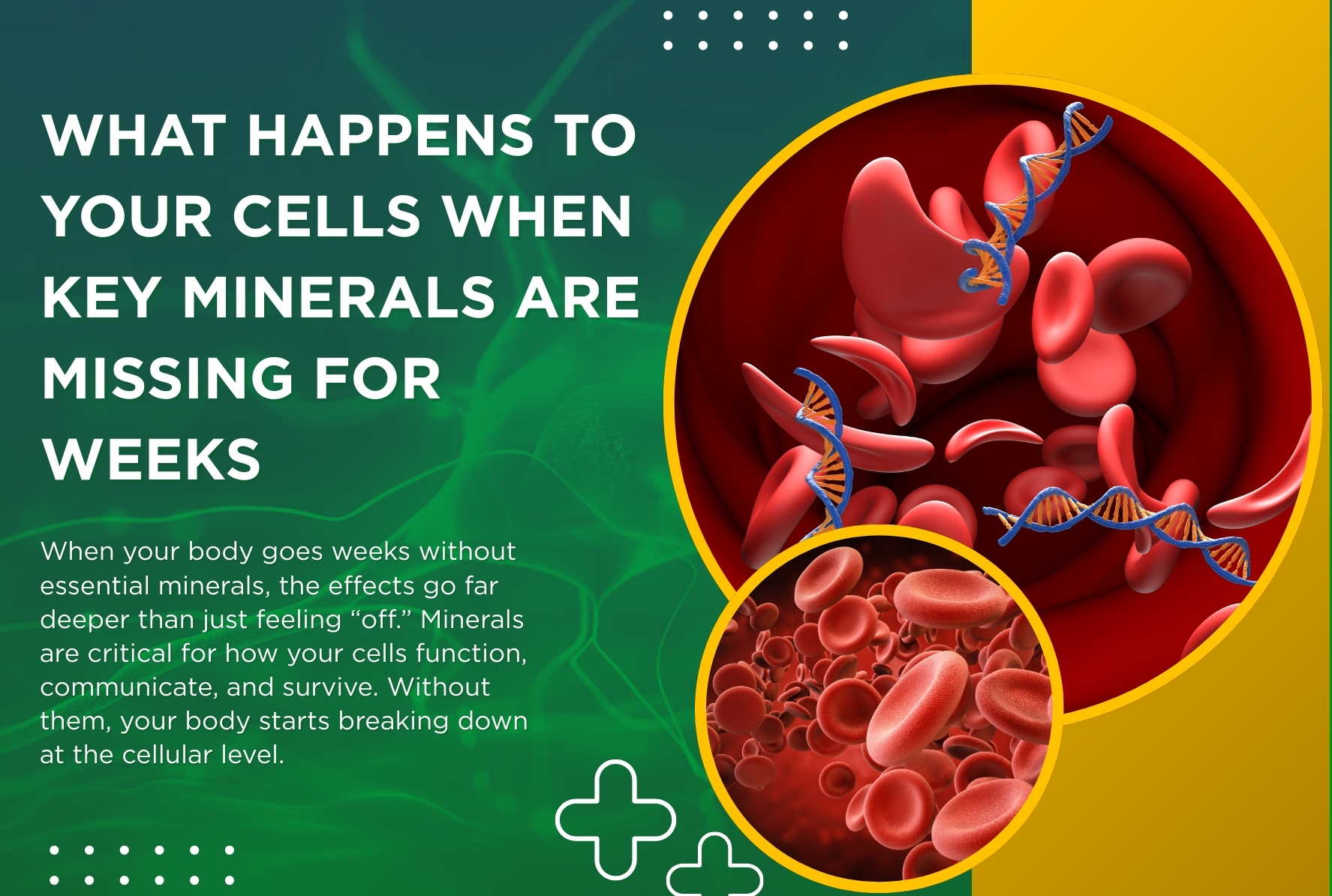
Minerals such as magnesium, zinc, selenium, iron, and potassium play a silent yet essential role in maintaining cellular function. When these key minerals are missing for weeks, the impact is not always immediately visible—but deep inside, your cells begin to struggle.
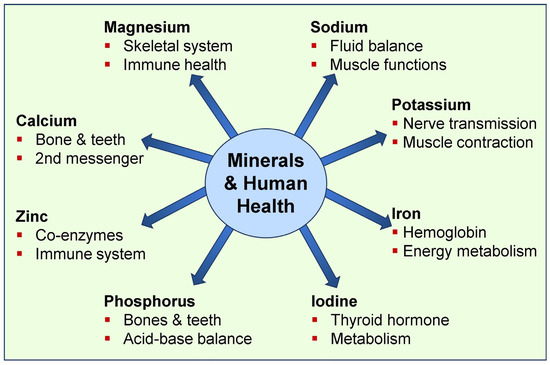
From a Natural Immunotherapy perspective, the focus is not on forcing the body to react, but on supporting its internal systems. And at the core of these systems lies one fundamental truth:
👉 Healthy cells require balanced micronutrients to function efficiently.
🧬 Why Minerals Matter at the Cellular Level
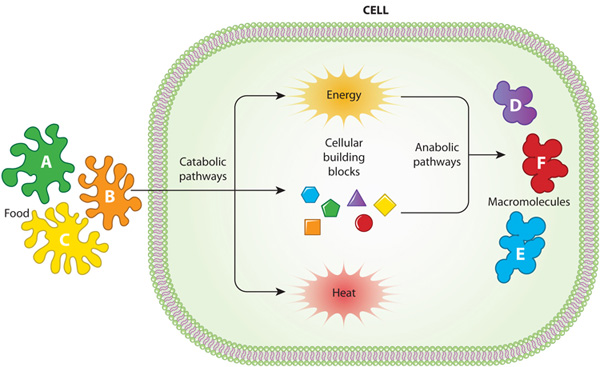
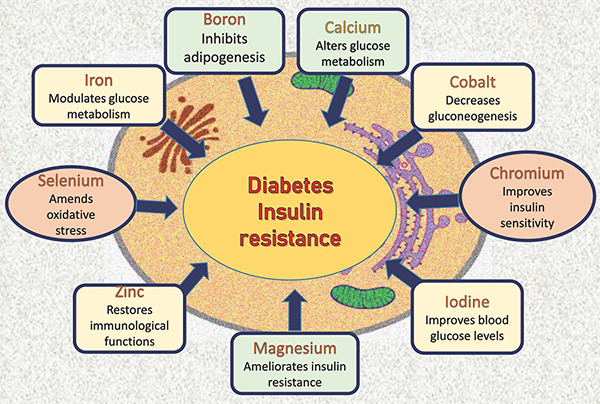
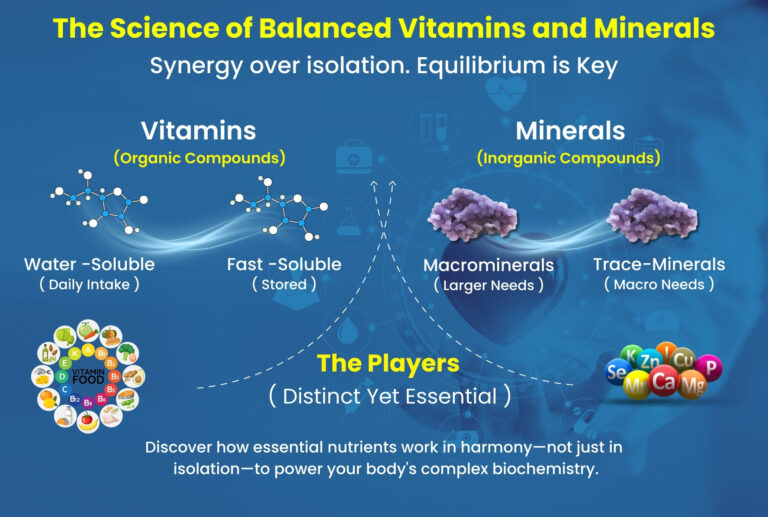
Every cell in your body depends on minerals for:
- Enzyme activation – Magnesium alone supports hundreds of biochemical reactions
- Cellular communication – Zinc and calcium help transmit signals between cells
- Energy production – Iron and B-vitamins assist mitochondrial activity
- Antioxidant defense – Selenium plays a key role in protecting cells from oxidative stress

These processes are interconnected. When even one mineral is missing, the system becomes less efficient.
⚠️ What Happens When Minerals Are Missing for Weeks?
1. ⚡ Slowed Cellular Energy Production
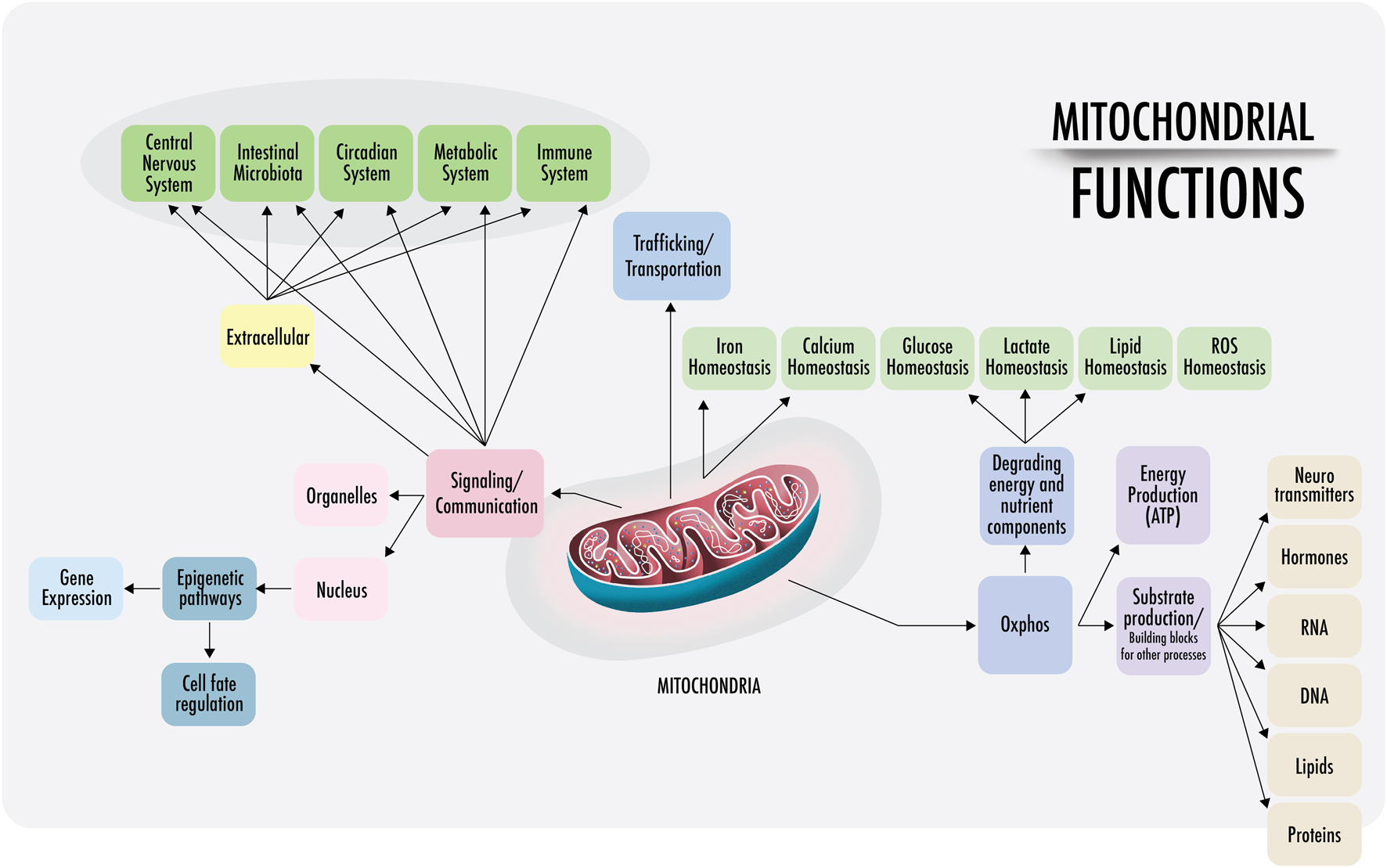
Without adequate minerals, your cells cannot produce energy efficiently.
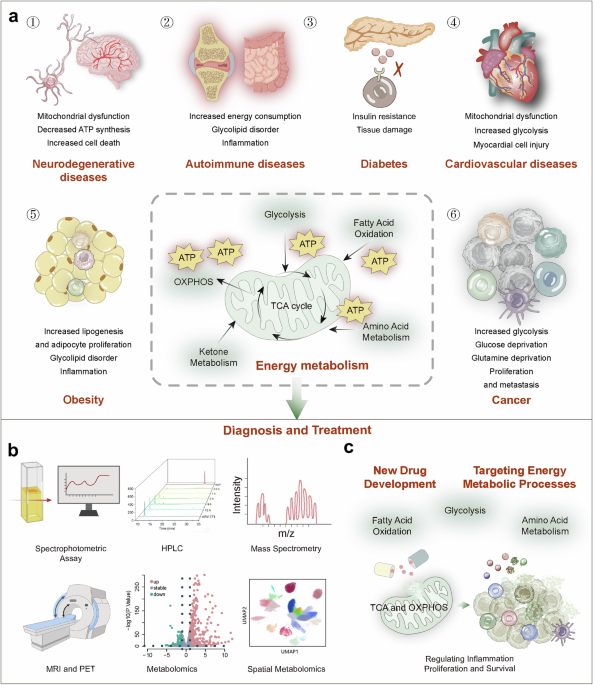
- Mitochondria begin to underperform
- ATP (energy currency of cells) production declines
- You may feel persistent fatigue and low stamina
👉 This is often one of the earliest signs of mineral imbalance.
2. 🛡️ Weakened Cellular Defense Systems


Minerals are essential for maintaining the body’s natural defense systems.
- Selenium and zinc support antioxidant enzymes
- Without them, oxidative stress increases
- Cells become more vulnerable to damage
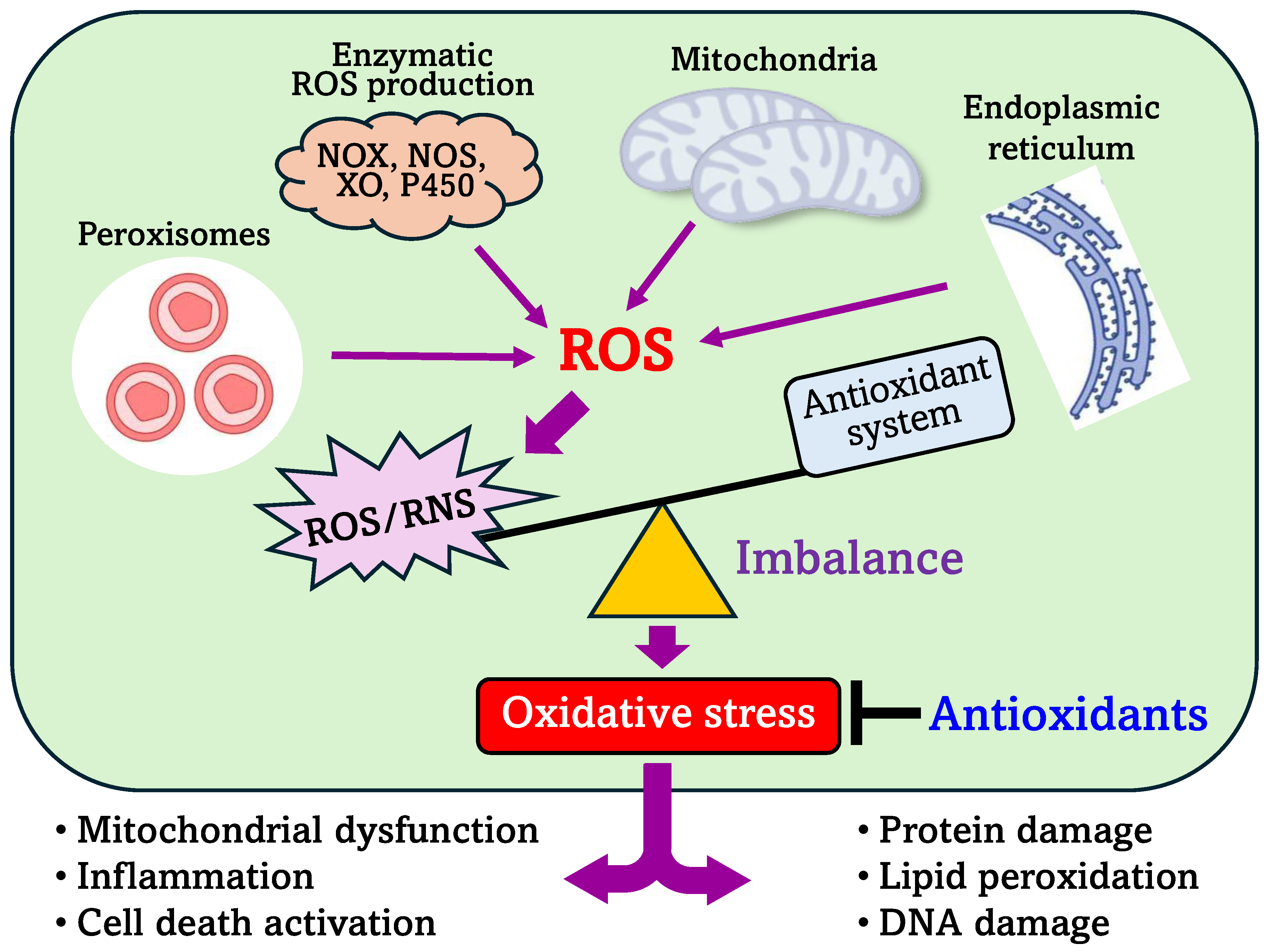
From a Natural Immunotherapy viewpoint, this means the body loses its ability to regulate itself effectively.
3. 🔄 Disrupted Cellular Communication
Cells constantly send and receive signals.
When minerals like calcium and potassium are lacking:
- Signal transmission slows down
- Hormonal coordination may be affected
- Metabolic pathways lose synchronization
👉 This can lead to imbalances that affect multiple systems—not just one.
4. 🧪 Reduced Enzyme Efficiency
Enzymes require mineral cofactors to function properly.


Without them:
- Biochemical reactions slow down
- Nutrient utilization becomes inefficient
- Cellular repair processes weaken
This creates a chain reaction across the body.
5. ⚖️ Loss of Metabolic Balance
Minerals help maintain homeostasis—the body’s internal balance.
When deficiencies persist:
- Metabolic systems become unstable
- Hormonal balance may shift
- Overall physiological resilience decreases
🌱 Natural Immunotherapy Approach: Supporting, Not Forcing

Natural Immunotherapy emphasizes a simple yet powerful principle:
👉 Support the body’s internal systems instead of overstimulating them.
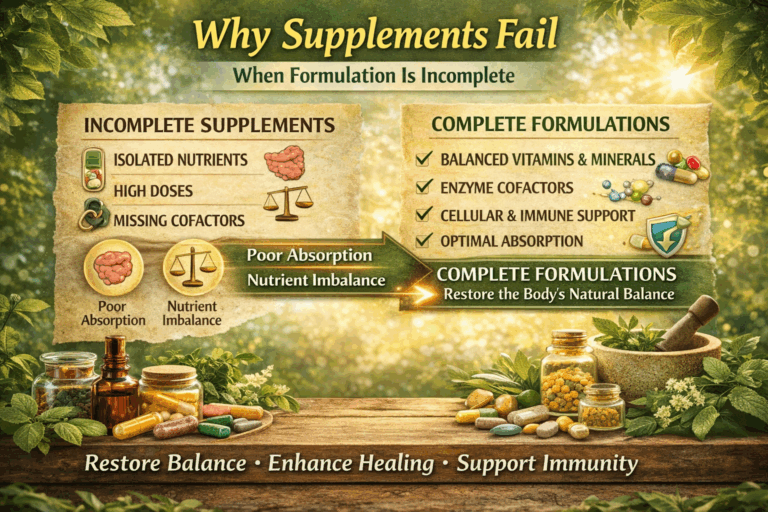
Instead of relying on high-dose, single-nutrient approaches, this philosophy focuses on:
- Balanced micronutrient intake
- Nutrient synergy (how nutrients work together)
- Consistent nutritional support over time
- Supporting cellular environments naturally

This aligns closely with the idea of intelligent formulation—where nutrients are combined in physiologically compatible ways.
🥗 How to Maintain Healthy Mineral Balance
To support your cells effectively:
✔️ Focus on Nutrient-Dense Foods
- Leafy greens (magnesium, iron)
- Nuts and seeds (zinc, selenium)
- Whole foods over processed foods
✔️ Avoid Nutrient Imbalance
- Excessive processed foods can reduce mineral intake
- High sugar diets may affect nutrient absorption
✔️ Consistency Matters More Than Quantity
- Small, consistent intake is better than irregular high doses
✔️ Consider Balanced Supplementation
- Only when needed
- Prefer formulations designed for nutrient synergy, not overload
🔍 The Bigger Picture
Mineral deficiencies do not just affect one organ or one function—they affect the entire cellular network.
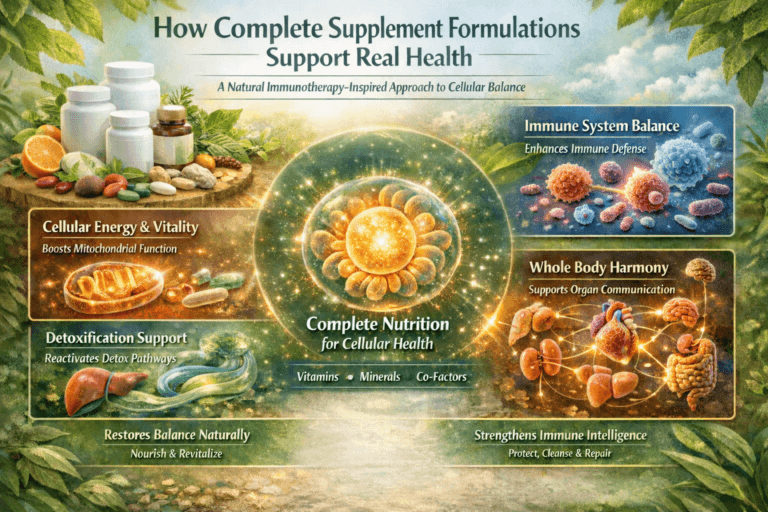
When your cells are supported:
- Energy production improves
- Immune coordination stabilizes
- Metabolic processes become more efficient
- Long-term wellness becomes sustainable
When minerals are missing:
- Cellular efficiency declines
- Systems lose coordination
- The body becomes more vulnerable over time
✨ Final Thought
At the deepest level of health, everything begins with your cells. When essential minerals are consistently missing—even for a few weeks—your body doesn’t immediately collapse, but it quietly loses efficiency, balance, and resilience.
From a Natural Immunotherapy perspective, true wellness is not about quick fixes or aggressive stimulation. It is about supporting the body’s natural intelligence through balanced nutrition and consistent care.
👉 When your cells receive the minerals they need in the right balance, they function with clarity, coordination, and strength.
👉 When they don’t, even the most basic biological processes begin to slow down.
Nourish your cells today, and you build the foundation for long-term health tomorrow.
FAQs
What are the early signs of mineral deficiency in the body?
Early signs can be subtle and may include fatigue, low energy, muscle weakness, poor concentration, and reduced immunity. These symptoms often develop gradually as cellular functions begin to slow down.
How long does it take for mineral deficiencies to affect cellular health?
Even within a few weeks, a lack of essential minerals can start impacting cellular processes like energy production, enzyme activity, and immune coordination, although visible symptoms may vary from person to person.
Can mineral deficiencies weaken the immune system?
Yes, minerals such as zinc, selenium, and iron play a crucial role in supporting immune cell function and antioxidant defense. Their deficiency can reduce the body’s ability to maintain proper immune balance.
Is taking high-dose supplements a good solution for mineral deficiency?
Not always. From a balanced nutrition and Natural Immunotherapy perspective, excessive intake of isolated nutrients may disrupt internal balance. A well-formulated, balanced approach is generally more effective.
How can I naturally maintain proper mineral balance in my body?
You can support mineral balance by consuming nutrient-dense foods, maintaining a consistent diet, reducing processed food intake, and, if necessary, using well-balanced supplements designed for nutrient synergy rather than high doses.