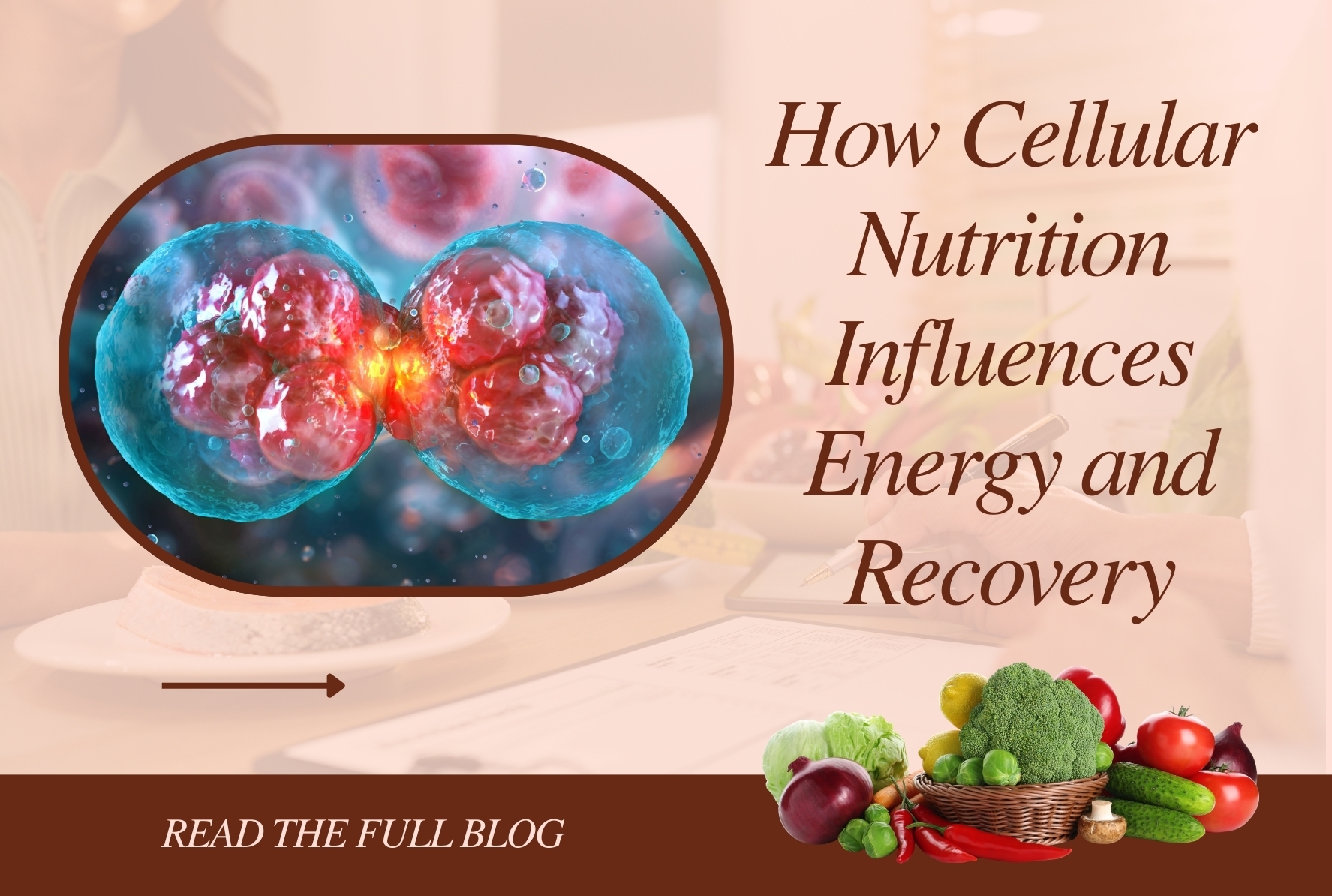
How Cellular Nutrition Influences Energy and Recovery
A Natural Immunotherapy Perspective on Sustainable Vitality
Modern discussions about energy often focus on sleep, exercise, or calories. While these factors are important, a deeper layer of human vitality begins inside the cell.
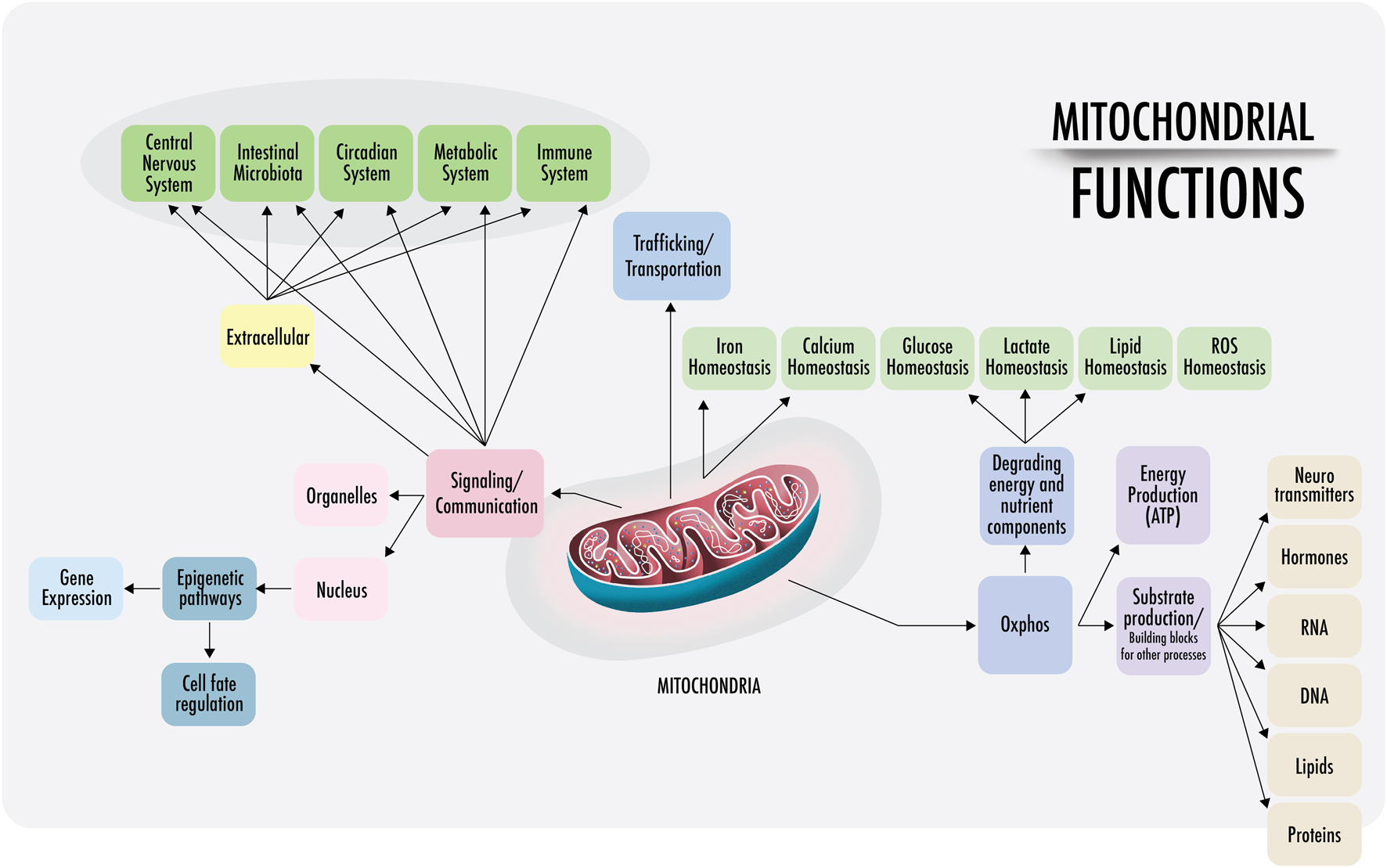
Every movement we make, every thought we generate, and every tissue that repairs itself depends on cellular processes. These processes rely heavily on cellular nutrition — the availability of essential micronutrients that allow biochemical reactions to function efficiently.
From the perspective of Natural Immunotherapy, sustainable health is achieved not by stimulating the body temporarily but by supporting the internal biological systems that maintain balance and recovery over time.
Understanding how cellular nutrition influences energy production and recovery helps explain why micronutrient balance plays such a critical role in long-term wellbeing.
Understanding Cellular Energy Production
Energy in the human body is produced through complex biochemical pathways occurring inside specialized cellular structures known as mitochondria.

These structures convert nutrients from food into adenosine triphosphate (ATP) — the molecule that powers nearly all cellular activities.
Cellular energy production supports functions such as:
- muscle contraction
- nerve signaling
- immune responses
- tissue repair
- detoxification processes

However, these energy pathways depend on the presence of multiple micronutrients. Vitamins, minerals, and trace elements act as cofactors for enzymatic reactions that allow energy metabolism to occur efficiently.
When these nutrients are insufficient or imbalanced, cellular energy production may become less efficient, potentially affecting overall vitality.
The Role of Micronutrients in Cellular Energy

Micronutrients play a central role in the biochemical reactions that drive cellular energy production.
Many enzymes responsible for metabolic pathways require specific nutrients to function properly.
Examples include:
- B-group nutrients supporting metabolic reactions involved in energy release
- Magnesium activating hundreds of enzymatic processes
- Iron assisting oxygen transport and cellular respiration
- Zinc contributing to immune coordination and cellular repair

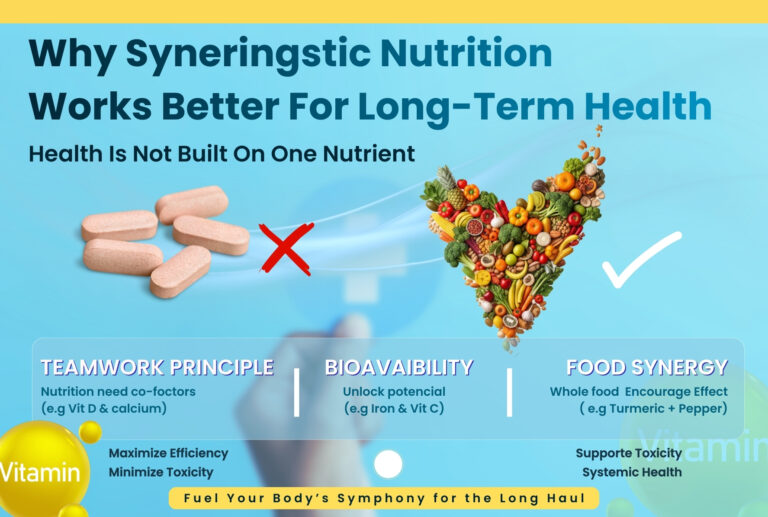
These nutrients rarely work alone. Instead, they function within cooperative networks, where multiple nutrients interact to maintain metabolic stability.
This principle is often referred to as nutrient synergy, where balanced proportions of nutrients support efficient biochemical activity.
Cellular Nutrition and Physical Recovery
Recovery is one of the most important biological processes in the body. Whether recovering from physical activity, environmental stress, or normal cellular wear, the body relies on effective repair mechanisms.
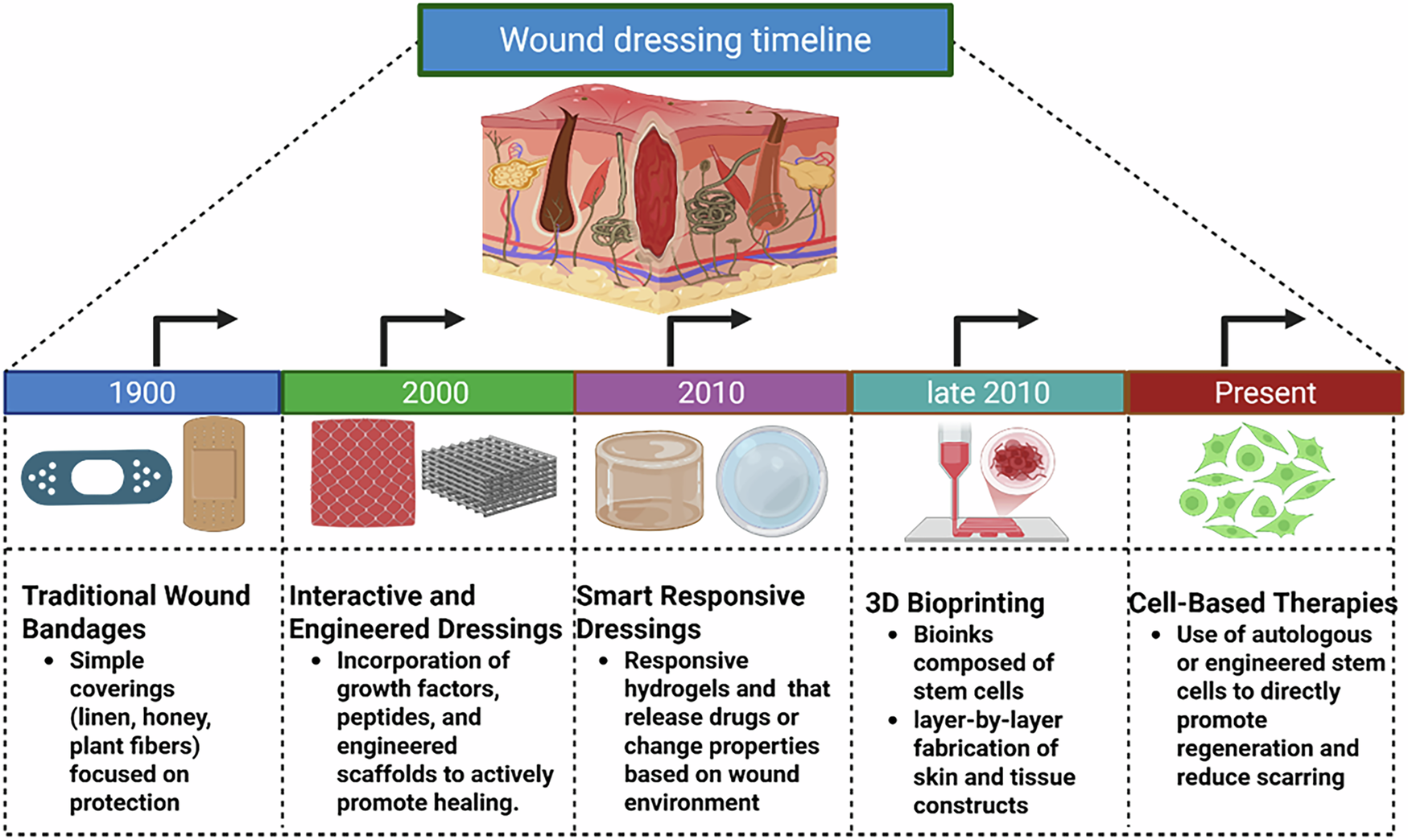
These repair systems involve:
- tissue regeneration
- immune coordination
- removal of metabolic waste
- rebuilding cellular structures
All of these processes depend on energy produced within the cell.
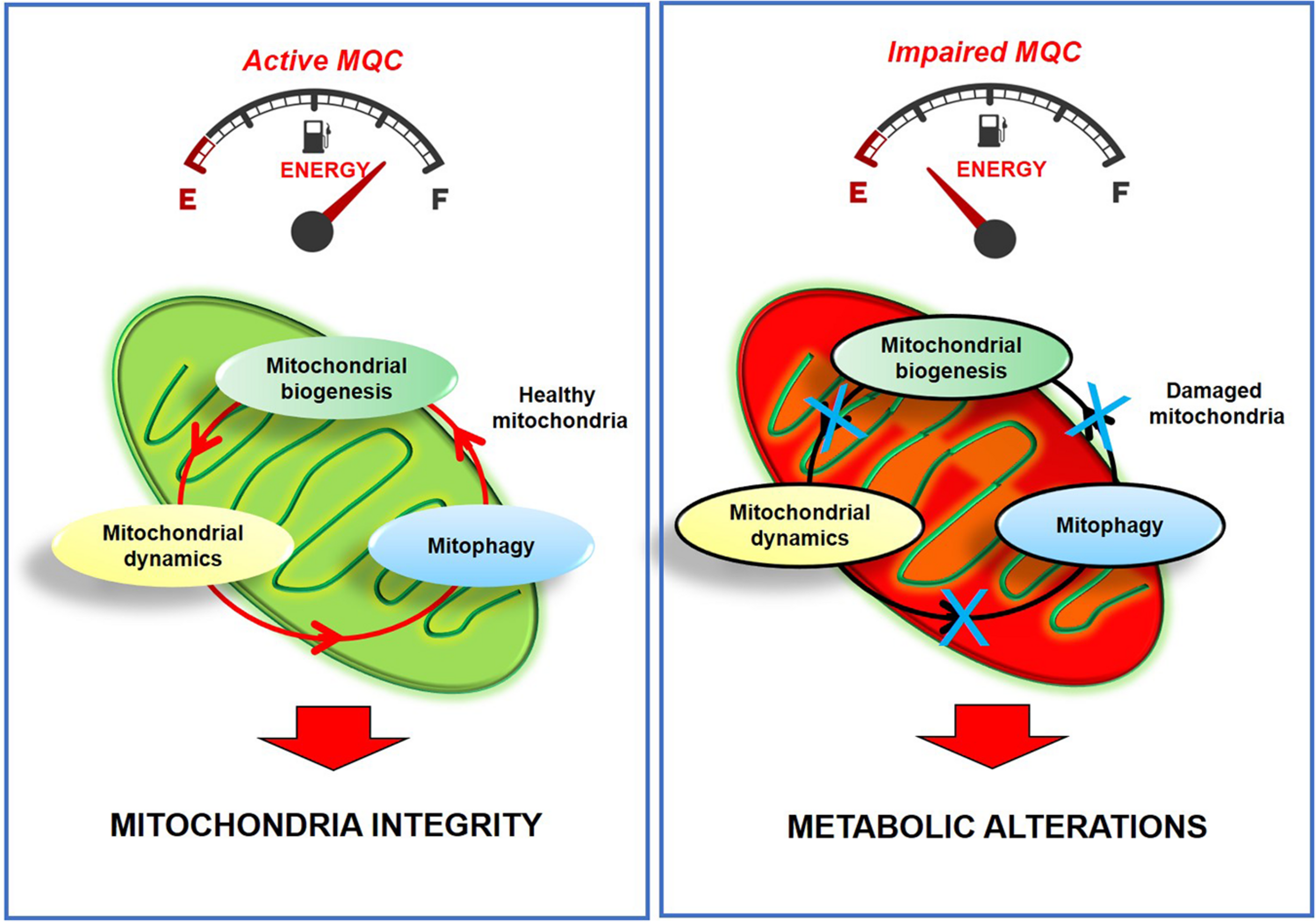
Adequate cellular nutrition ensures that cells receive the nutrients required to support these recovery pathways. When nutrient availability is balanced, the body is better able to maintain resilience and adapt to physical and environmental challenges.
The Natural Immunotherapy View of Cellular Nutrition
Natural Immunotherapy approaches health from a systems biology perspective.

Rather than focusing solely on symptoms, this perspective examines the underlying biological environment that supports long-term health.
From this viewpoint, cellular nutrition influences several important systems:
- immune coordination
- metabolic stability
- detoxification pathways
- tissue repair processes
- hormonal balance
When the body receives appropriate micronutrients in proper proportions, cellular systems operate more efficiently. This improved coordination allows the body to regulate itself more effectively.
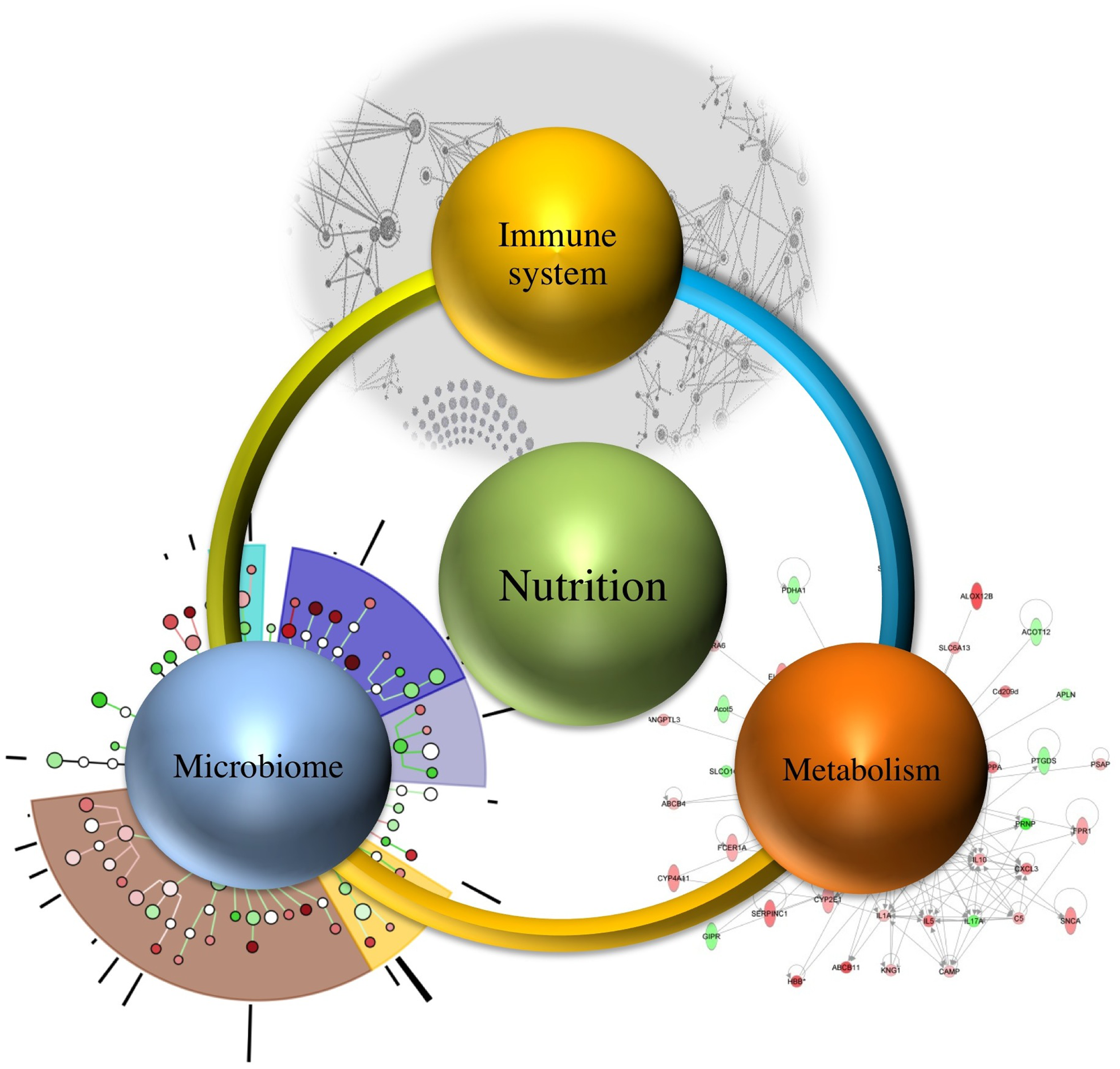
Instead of forcing the body through aggressive interventions, Natural Immunotherapy emphasizes supporting the body’s inherent ability to maintain balance.
Why Energy and Recovery Depend on Nutritional Balance
Energy and recovery are not isolated biological events. They are interconnected processes supported by thousands of coordinated biochemical reactions occurring throughout the body.
These reactions require:
- enzymatic activity
- cellular signaling
- nutrient availability
- metabolic regulation
Balanced cellular nutrition helps maintain the stability of these systems.
When the body’s internal environment remains stable, the body is better able to:
- generate energy efficiently
- repair damaged tissues
- regulate immune responses
- adapt to physiological stress
This balance forms the foundation of sustainable health and vitality.
Supporting Cellular Health Through Smart Nutrition
Maintaining cellular health does not require excessive nutrient intake. Instead, the focus should be on balanced nutritional support.
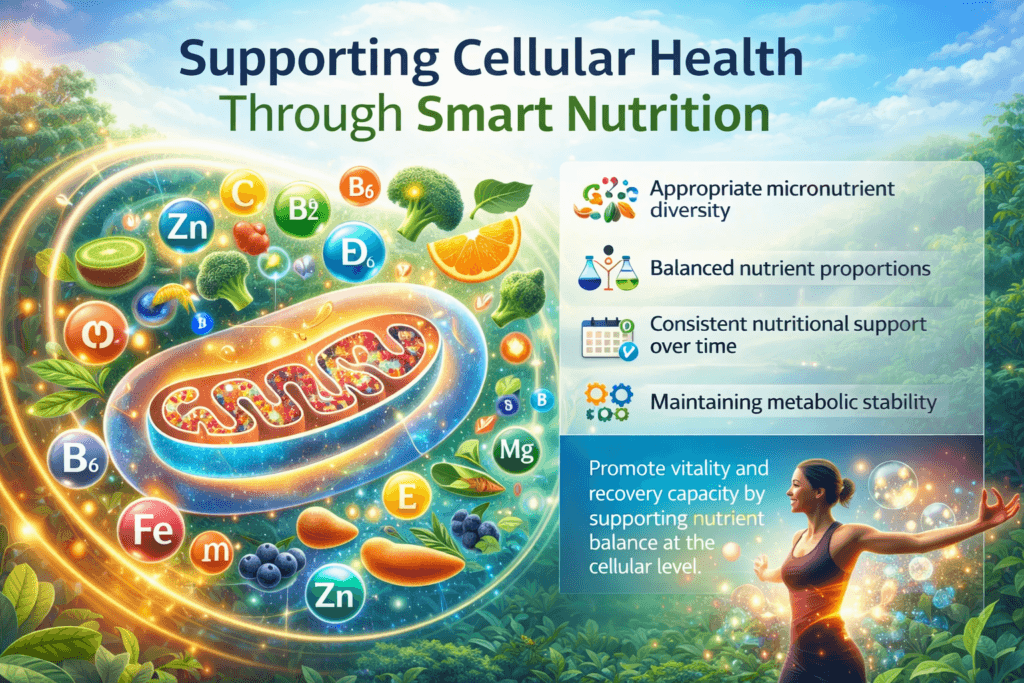
Smart nutritional strategies emphasize:
- appropriate micronutrient diversity
- balanced nutrient proportions
- consistent nutritional support over time
- maintaining metabolic stability
By supporting cellular function at the biochemical level, individuals can promote long-term vitality and recovery capacity.
Conclusion
Energy and recovery ultimately begin inside the cell. The biochemical processes that power the body depend on a complex network of nutrients working together to support metabolic stability.
From a Natural Immunotherapy perspective, sustainable health arises from maintaining this internal balance rather than attempting to stimulate the body temporarily.
By supporting cellular nutrition and nutrient synergy, individuals can help their bodies maintain efficient energy production, coordinated immune function, and effective recovery processes.
Over time, this balanced approach contributes to greater resilience, vitality, and long-term wellness.
FAQs
What is cellular nutrition?
Cellular nutrition refers to the supply of essential micronutrients required for cellular processes such as energy production, repair, and metabolic regulation.
How do micronutrients support energy production?
Micronutrients act as cofactors for enzymes involved in metabolic pathways that generate cellular energy.
Why is nutrient synergy important for cellular health?
Many nutrients work together in biochemical networks. Balanced nutrient proportions allow these systems to function efficiently.
How does cellular nutrition affect recovery?
Cellular repair processes require energy and nutrients. Adequate micronutrients support tissue regeneration and immune coordination.
What is the Natural Immunotherapy perspective on nutrition?
Natural Immunotherapy focuses on supporting the body’s internal biological environment through balanced micronutrients that maintain metabolic stability.